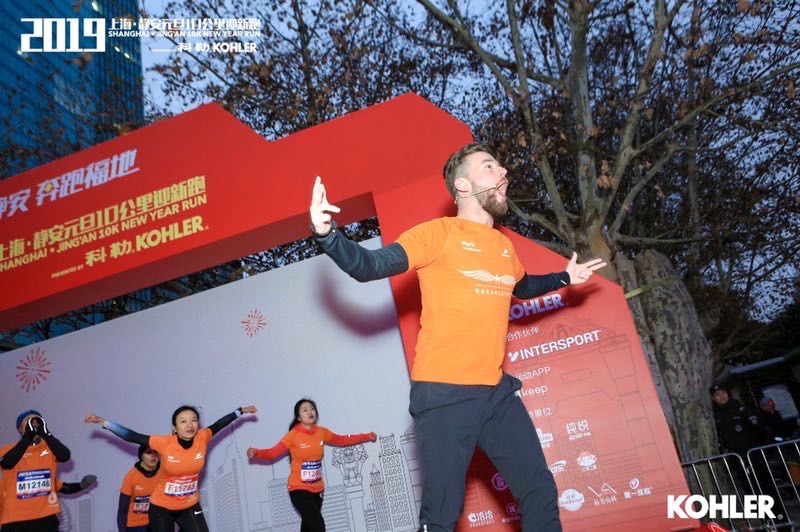
Hip-hop world champion. Shanghai entrepreneur.
Content creator. Founder.
But none of those titles explain why I do what I do.
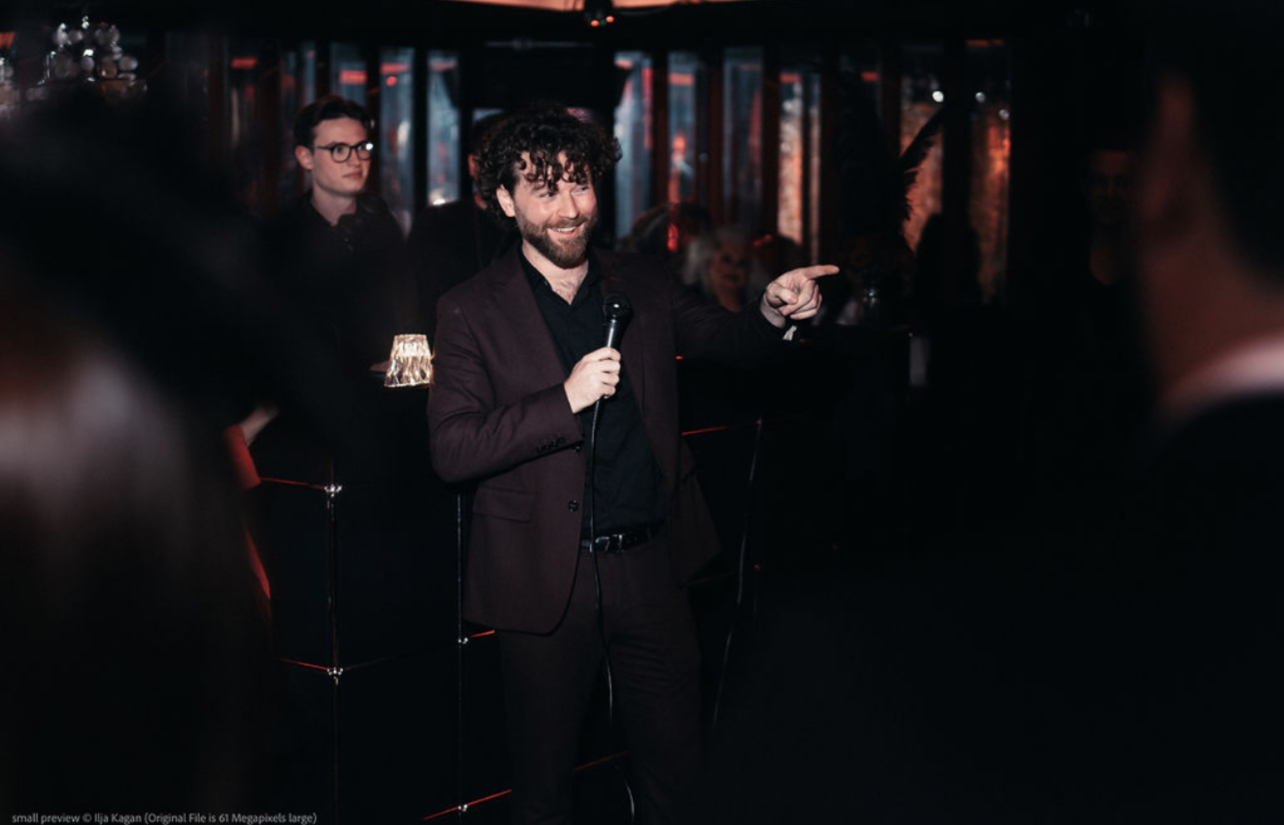
The answer starts on a stage. It always does.
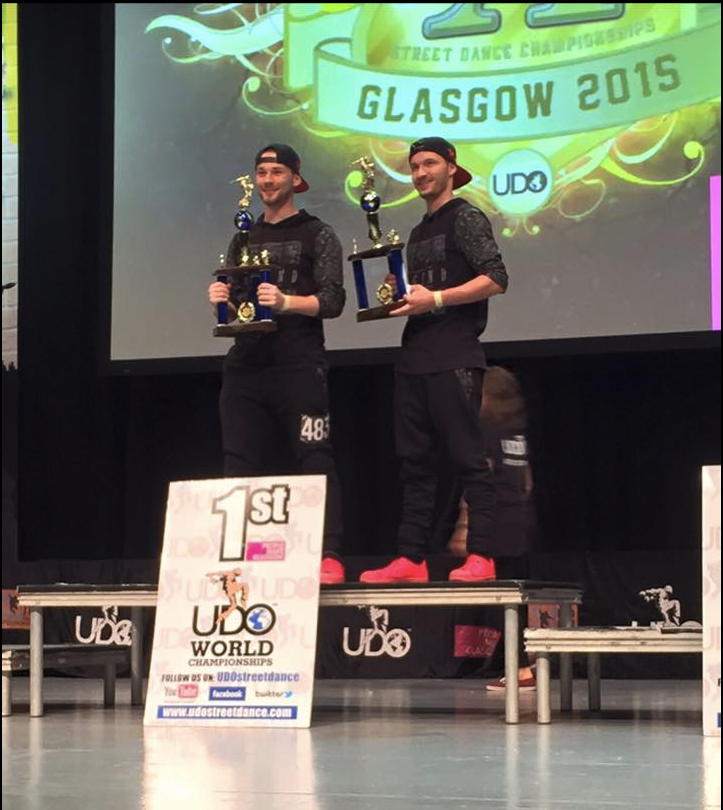
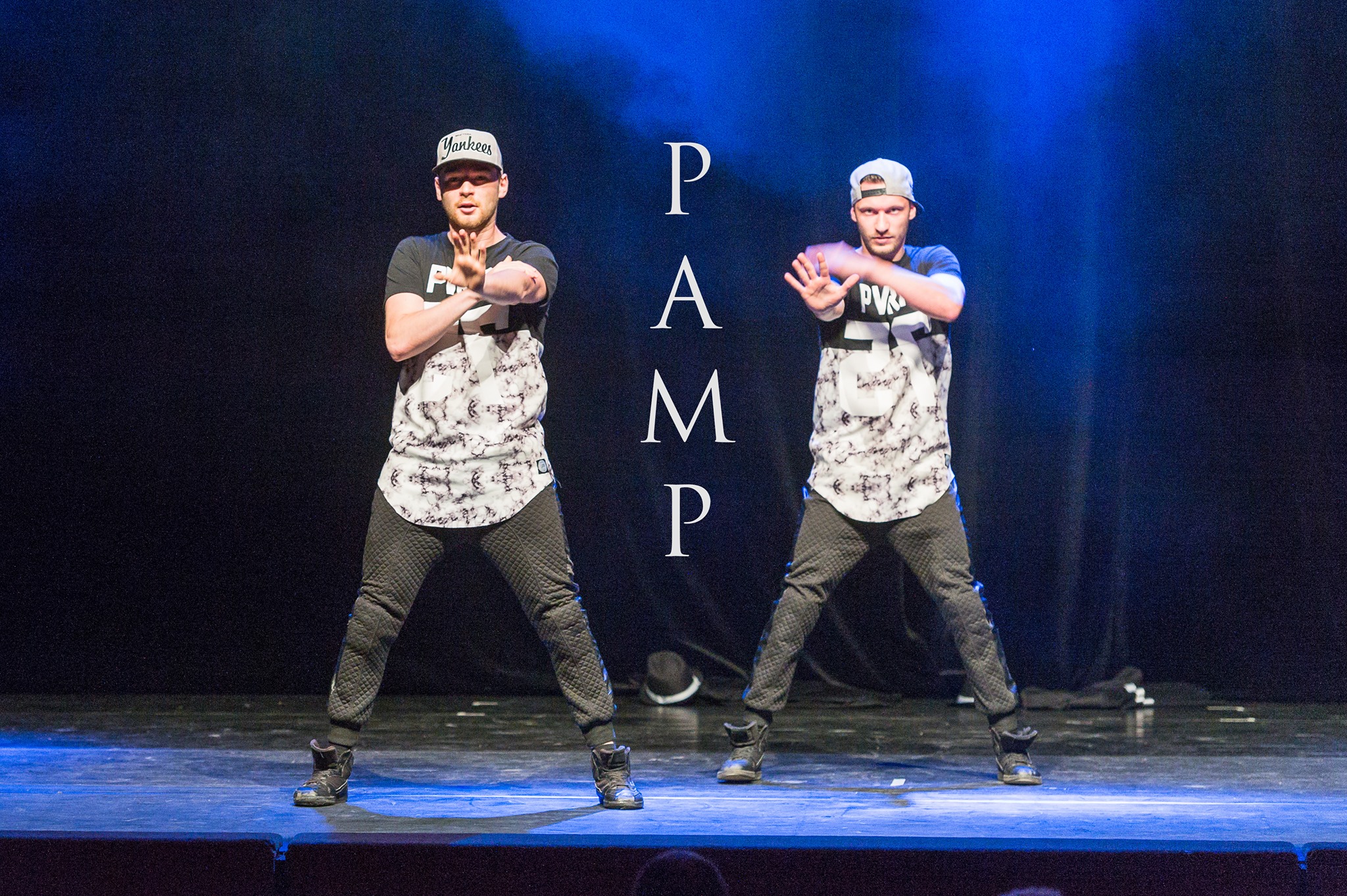
I was 18. Hip-hop world champion.
The reason we won had nothing to do with how well we could move.
It had everything to do with one question I forced myself to ask before every performance, every rehearsal, every show I choreographed with 20 dancers under me:
Why would anybody care about this dance?
In a world where you cannot speak — where you express everything through your body and you have eight seconds before someone looks away — you start thinking like a storyteller before you even know what storytelling is.
I learned early that movement without meaning is just exercise.
That if you can make someone feel something without speaking, you can make anyone feel anything.
I just did not know yet how far that question would take me.
During my exchange semester, I listed every sunny, beach, ocean destination I could think of. Shanghai was fifth on the list. Written almost as a joke. Something I would never actually get.
I got it.
I could have fought it. Instead I thought: the weirder it is, the more interested I am. That is who I am as a person. Always has been.
In Shanghai I saw something I had never seen before. Everyone was on their phones watching short videos. Not YouTube. Not Instagram. Something faster. Something completely different.
It was Douyin. The Chinese version of what would eventually become TikTok.
A friend showed me a video she had made that had gained 200,000 views through strangers copying it. She had almost no followers. The platform did not care. The content was interesting, so it showed it to everyone.
I had never seen anything like it. I filed it away. And then got on with the thing I had actually come to Shanghai to do.
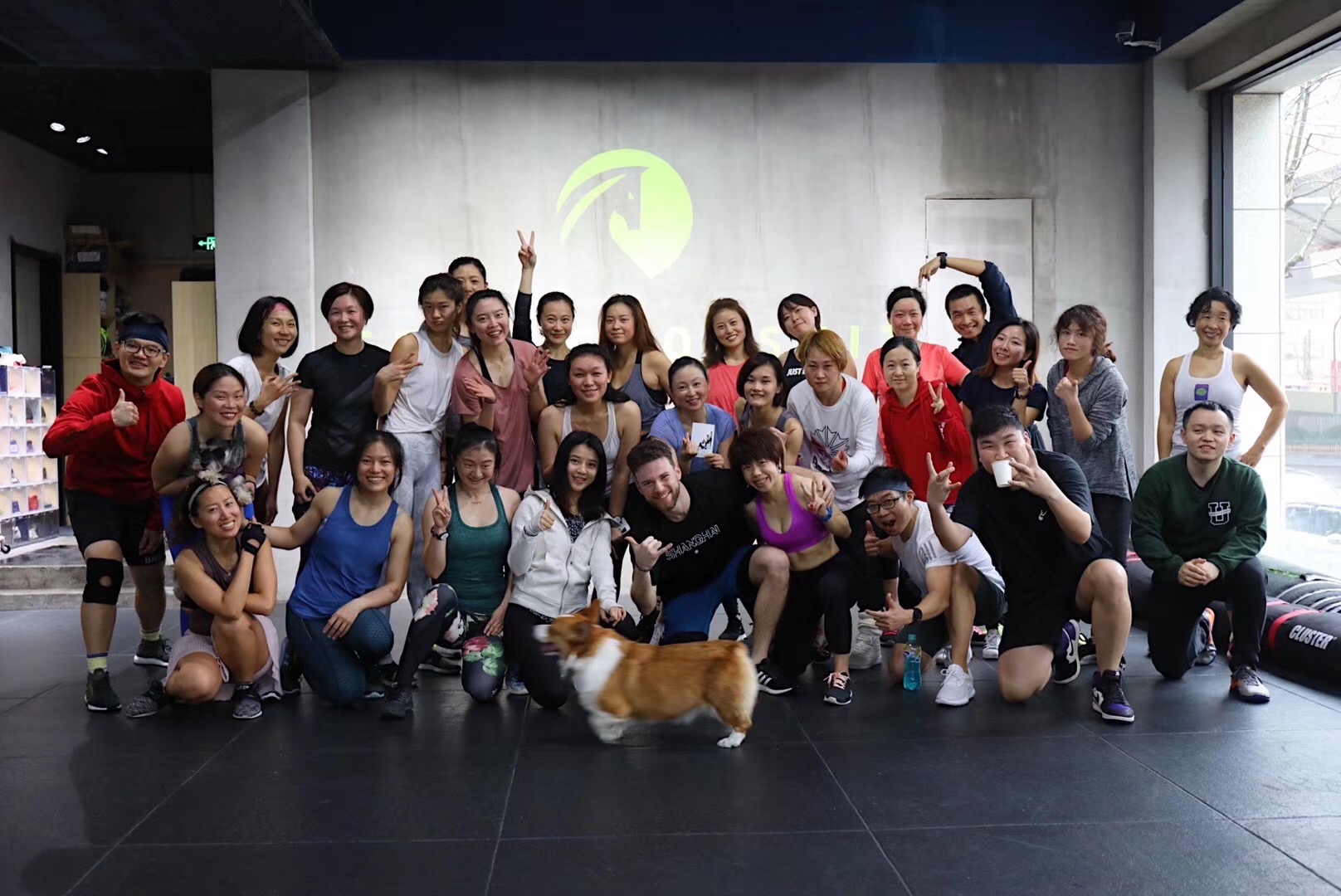
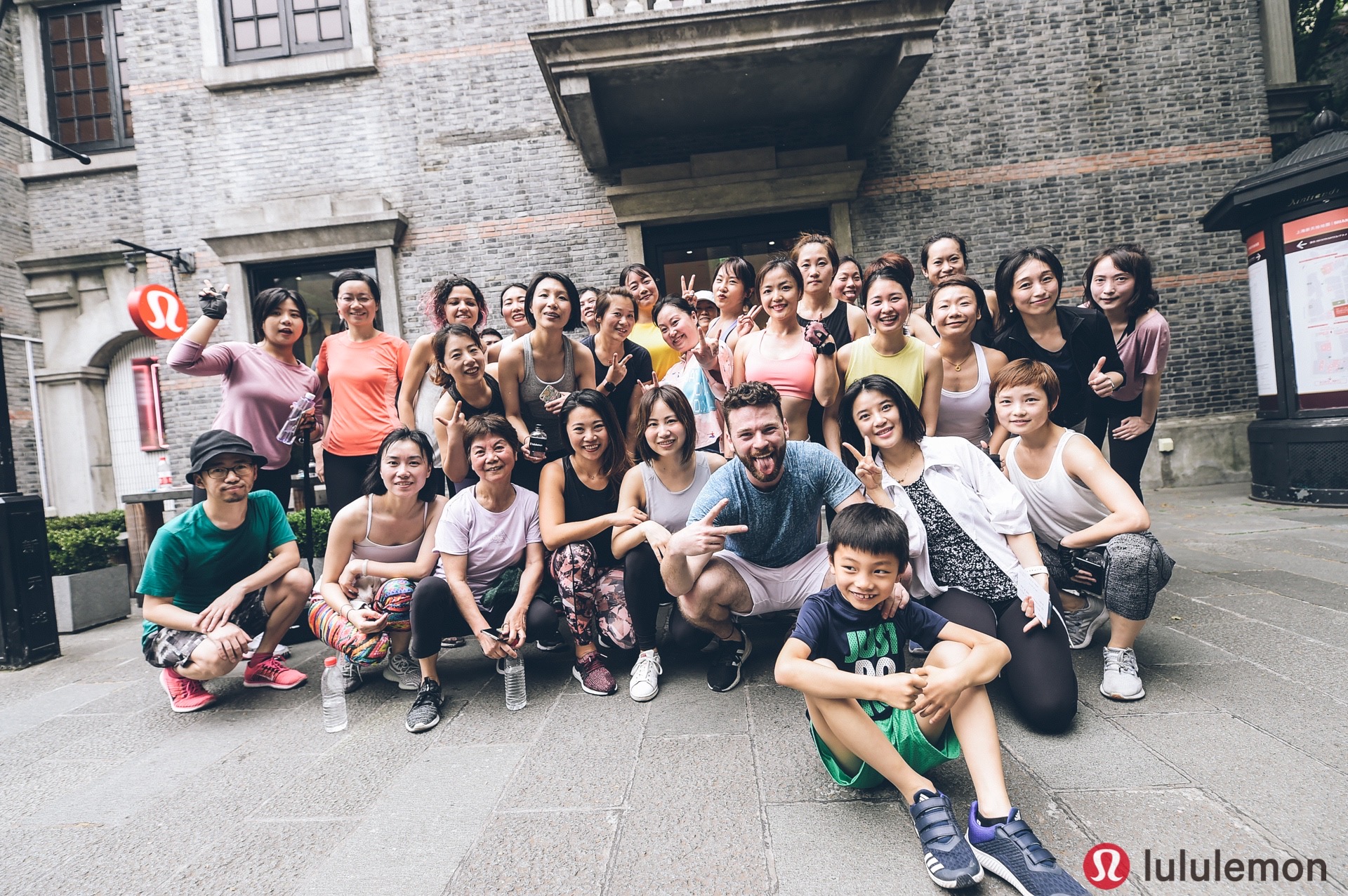
I introduced a fitness concept that combined breakdance and fitness to Shanghai. Something no one there had seen. I called it Breakletics.
In six months:
Alone. In a language I was still learning.
What made it work was not ambition. It was the same question I had been asking since I was 18 on a stage.
Why would anybody care about this? When I could not answer it, I kept asking until I could.
In university, I got a call from my summer camp supervisor, Mary. She organised Bar and Bat Mitzvahs, weddings, celebrations. She invited me to work an event. I asked what I needed to do.
She said: Just be yourself.
I nearly panicked. I asked whether I should prepare choreographies, something special for the guests, anything. Mark. Just be yourself. I did not understand what that meant.
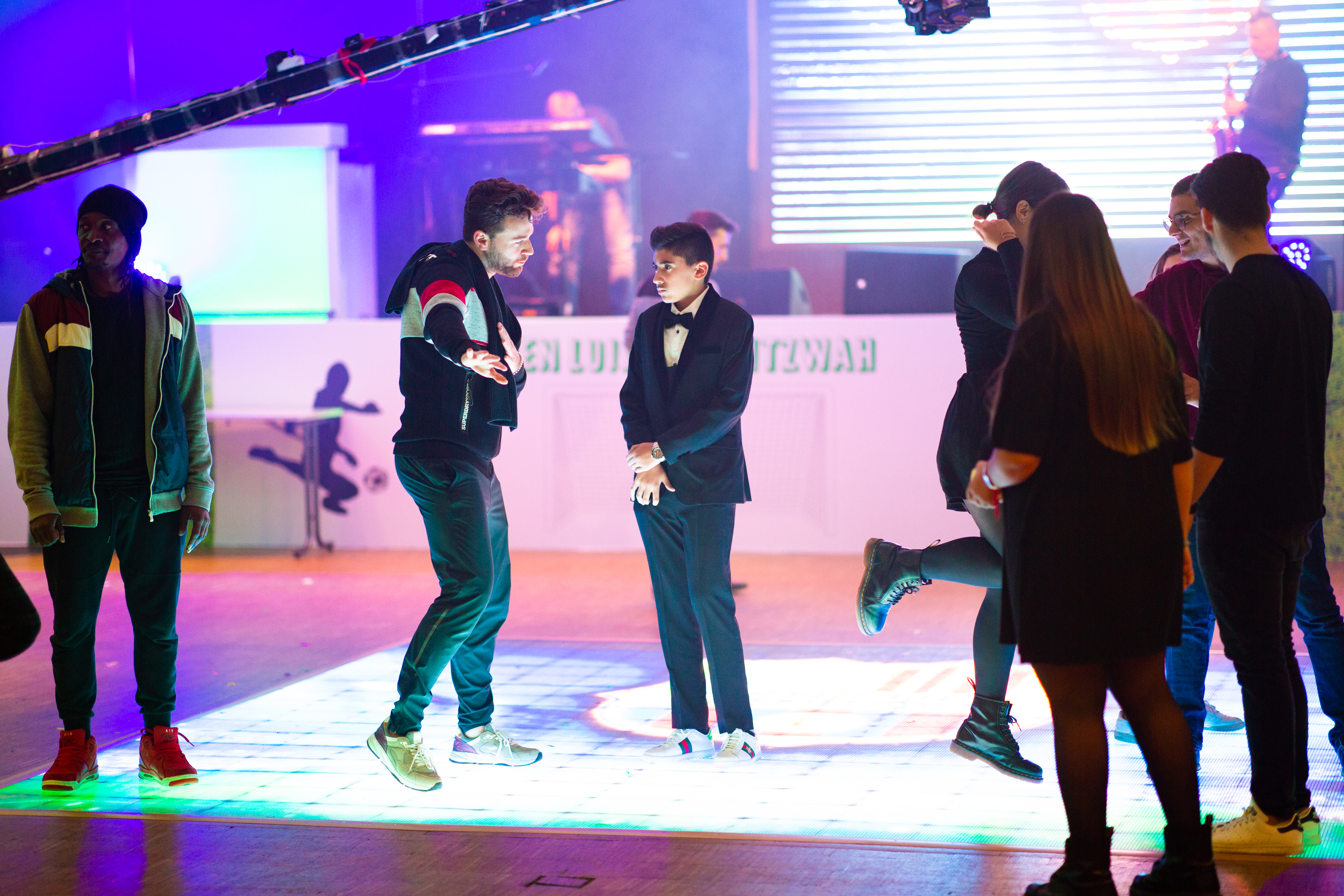
So I went. I danced with people. A colleague showed me we needed to lift guests on a chair — part of the Jewish tradition. People loved it. I loved it. At the end of the night, not only did I get paid. I got a 50 euro tip on top.
Then people started asking for something more. They wanted to begin their celebration in a special way. So we introduced what we called the intro show.
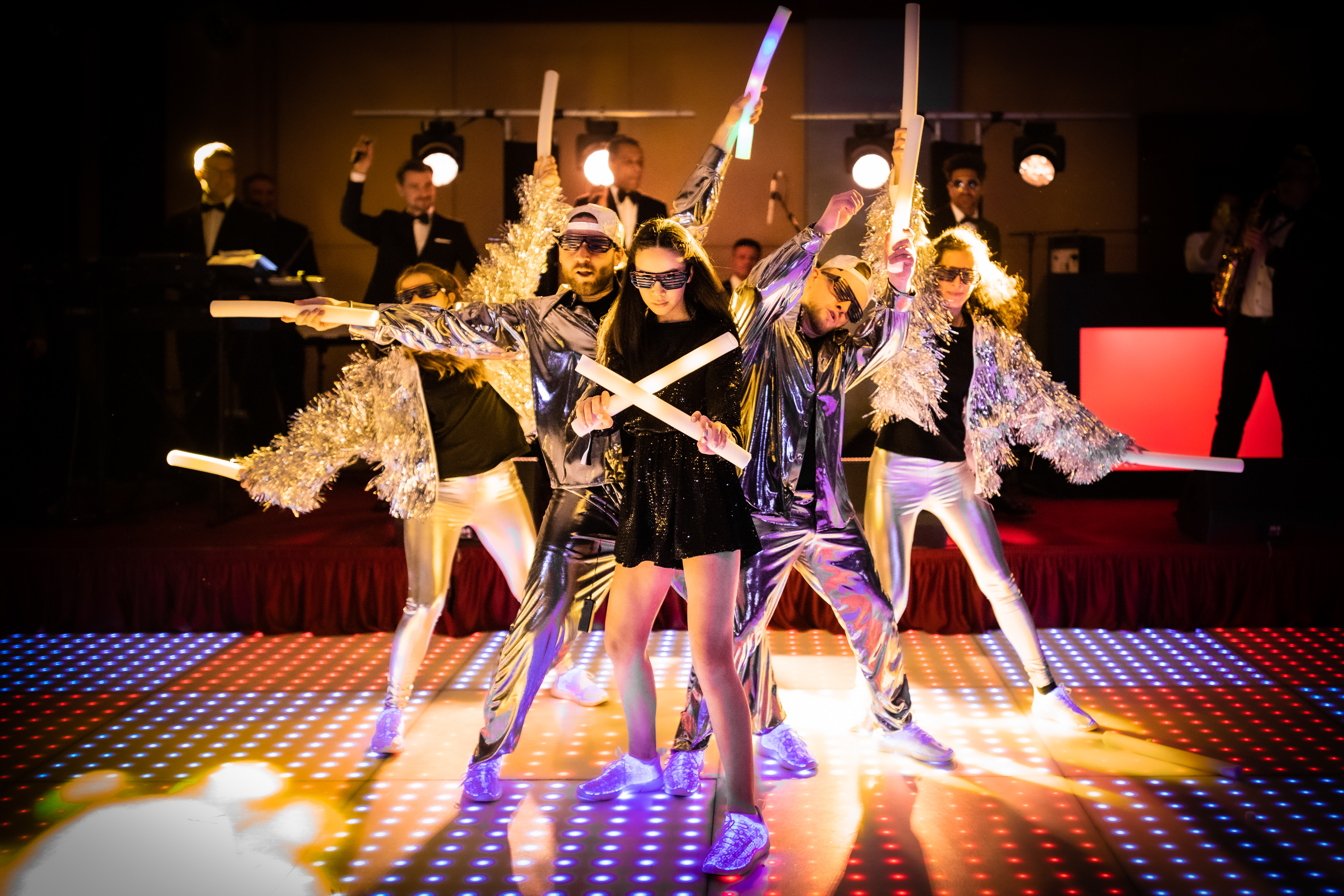
I would interview the families. Film them. Learn their story — how they met, how they lived, what mattered to them. Then I would choreograph a full opening show with dancers, film crews, and props, with the guests themselves as the main characters.
My most challenging clients were 12-year-old kids preparing for their Bar Mitzvahs. No campaign since — no brand deal, no viral video, no million-view production — has come close to being as hard.
Because the ROI was a feeling. One night. One shot. Pure creativity. The only KPI was emotion.
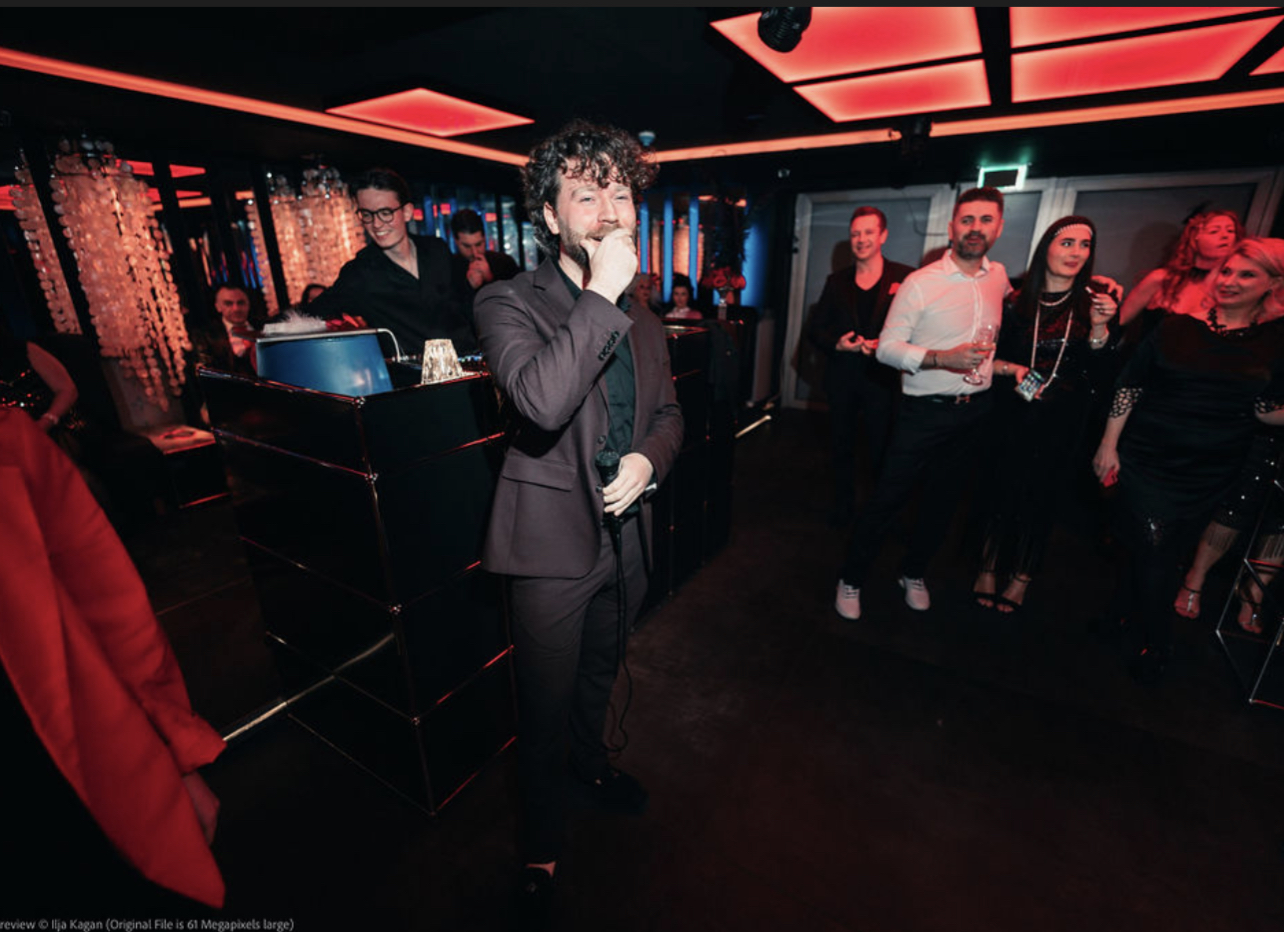
Mary called me after my China trip and asked me to join her full time. I organised high-budget weddings, managed the entertainment, and eventually became a wedding host — guiding entire celebrations from beginning to end.
This chapter taught me how to find the story inside real people's lives and turn it into something that makes strangers feel something.
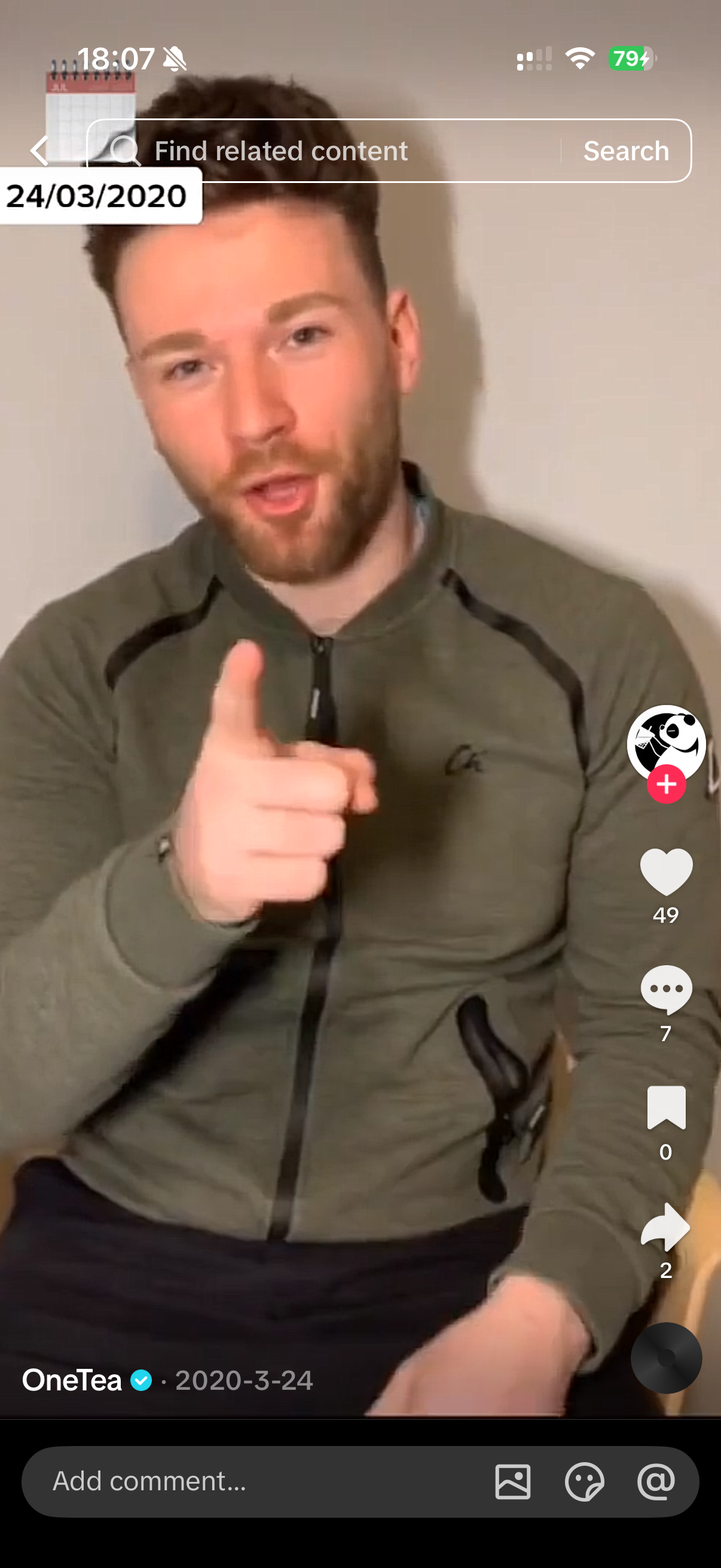
Then Covid killed the events industry overnight. With nothing else to do, I fooled around with some dances on TikTok. And that became the next chapter.
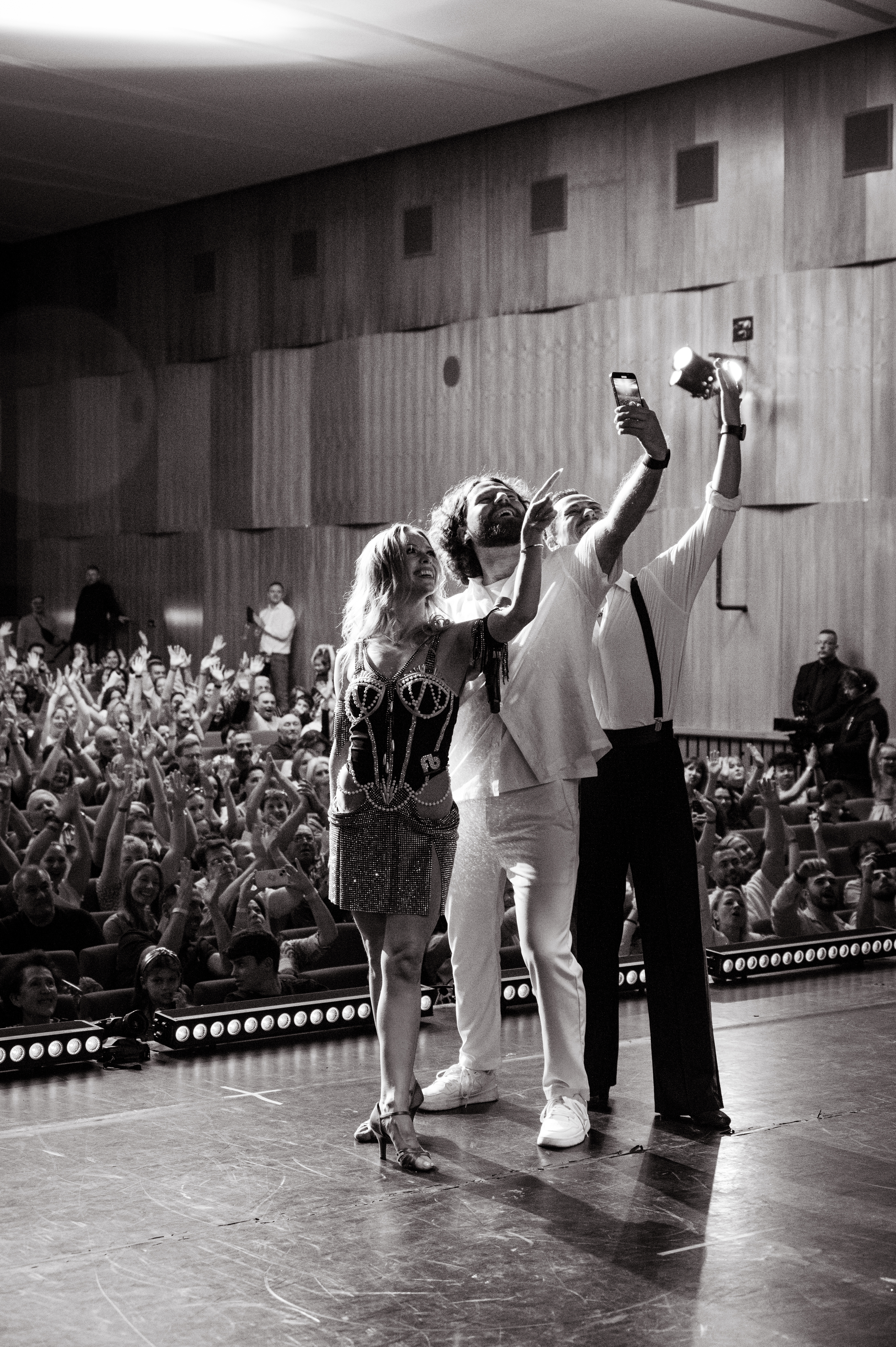
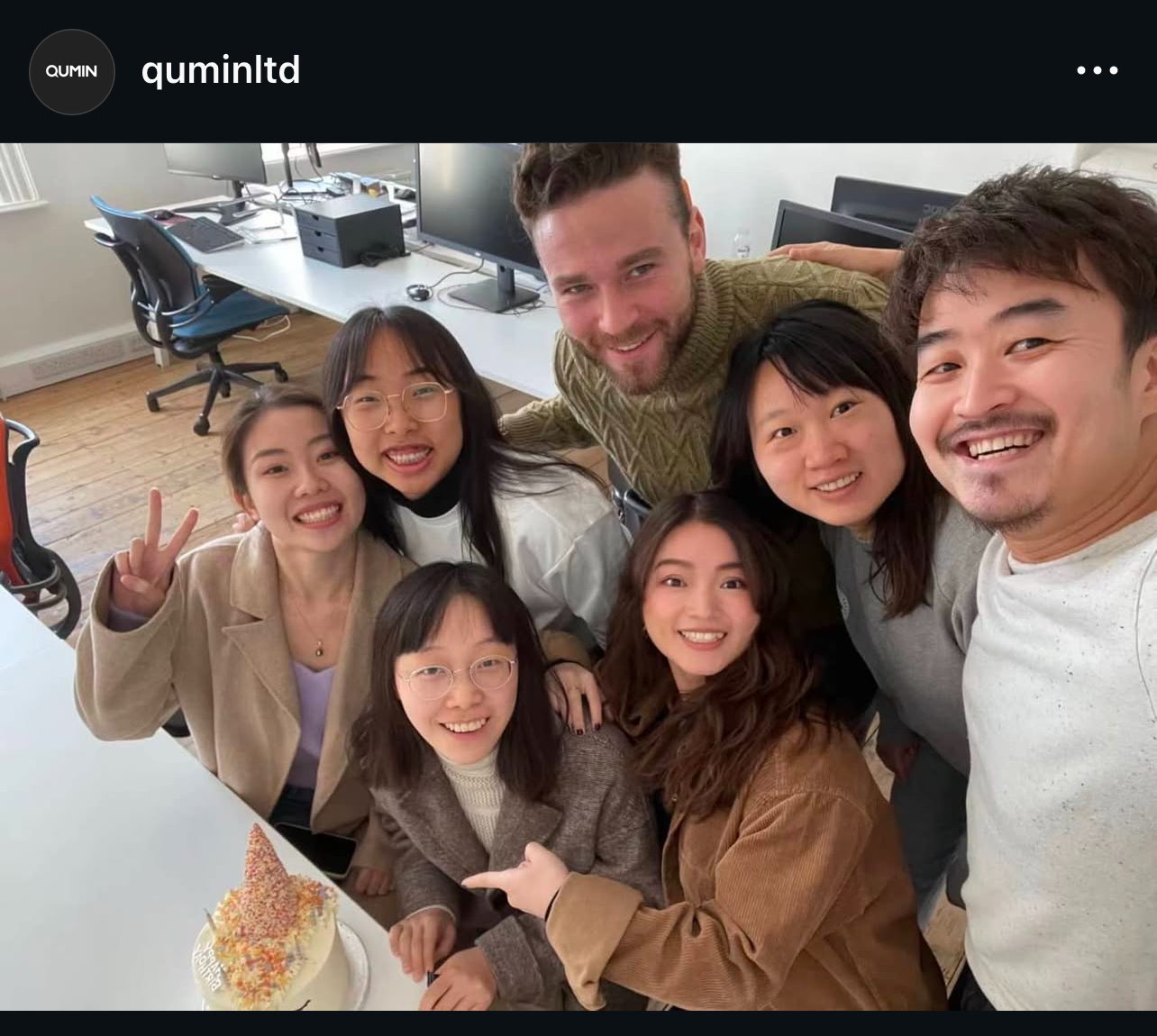
After Shanghai. After the weddings. After Covid wiped out everything. I ended up at an event about TikTok in London. That is where I met Arnold Ma, the CEO of Qumin. We got along immediately.
Arnold was exploring the idea of building his own media channels. He saw something in me. And so I built a media department inside Qumin. I called it OneTea Media.
It sounds like wenti in Chinese, which means question. For English speakers, OneTea. For Chinese culture, it fit perfectly.
My first video: filmed in my bedroom at my parents' house. 50 views. Seven videos later, I made a video about paying with your face in China. The company behind the technology was Ant Financial. Alipay. They reached out. We had our first client.
Then I moved to the client side. Better pay. More responsibility. Working alongside some of the top creative directors and strategists in the industry.
And I hated it.
Because no matter what idea we had for a video — no matter how polished, how expensive, how strategically considered — I could not get a question out of my mind.
Why would anybody care about this?
I walked away from the agency. From the millions of followers that had never really been mine. From the campaigns that made my stomach turn.
I started building my own following. Travelling. Trying new things. Finding my own voice. Brands started coming. Dream collaborations. The kind of work I had always wanted to do.
But something strange kept happening. Every time I had to make a pure ad — every time I had to sell directly — my stomach turned. That same anxious feeling from the agency days. That same question rising up no matter what I did.
And that is when I finally understood what the question had been telling me all along.
There is a difference between selling and telling a story. When you sell, you try to convince people. When you tell a story, people convince themselves. You just make them curious.
I took everything I had built across my entire life:
The desire for performance and showmanship from dancing.
The ability to find stories in real people's lives from the weddings.
The deep understanding of social media and algorithms from the agency.
And I combined them into one approach.
It worked. Not because I was clever. Not because I was a great filmmaker. Because I never stopped asking why.
I built a run club in London where people run together and use cards to actually get to know each other. Not just exchange names and job titles.
I organise dinners where phones are left at the door. Real conversations. Real presence. No content, no performance.
I travel to cities most people have not heard of. The less familiar, the more I want to go. Shanghai was fifth on my list. That tells you everything about how I make decisions.
And I dance salsa. Always will.
It is still the same thing it has always been: storytelling with your body, making a stranger feel something in three minutes without saying a single word.
The WHY question never stops. It just changes rooms.
Every brand I have worked with had something remarkable inside it — something counterintuitive the team had stopped seeing entirely. I walk in not knowing anything. And I ask why until something surprising appears.
Book a Discovery Call